 Graph Neural Networks for Sign Language RecognitionSupervisor: Dr. Sougata Sen @ SenseLab, BITS GoaReal-time detection of 263 classes from the INCLUDE dataset on resource-constrained edge devices. Experimented with BiLSTMs and Spatio-Temporal Graph Convolutional Networks to replace the heavy MobileNet encoders used in their paper. Achieved ~88% accuracy while significantly reducing parameter count. Currently integrating the model into a mobile app; preparing for conference submission
 CountCLIP: Reproducibility StudyReScience C Submission. Work done @ SAiDLStandard VLMs like CLIP struggle to differentiate between correct and incorrect object counts. Conducted a rigorous reproducibility study of the "CountCLIP" method and proposed a Multi-Class Counting Loss and adaptive hyperparameter tuning to mitigate overfitting on frequent classes. Achieved 28.88% accuracy (vs 27.5% baseline) on the CountBench benchmark. Released cleaned codebase and repaired evaluation benchmark to the open-source community.
Supervisor: Dr. Arnab K Paul @ DashLab, BITS GoaDefault striping configurations in parallel file systems lead to significant I/O performance drops and imbalanced data distribution across storage targets. We built a cluster-aware adaptive framework that analyzes historical application logs (e.g., Darshan) to derive optimal striping parameters. We use a syscall interceptor that captures runtime file operations and dynamically enforces the calculated striping configurations via the striping API provided by the file system.. Code out soon!
 University Rover TeamProject Kratos, Software Team MemberDeveloped a monocular visual servoing system for autonomous navigation using a custom trained YOLOv3 for object detection. Used A* algorithm to determine the path to the target location using depth heatmaps from Zed2i camera. Implemented a PID-controlled GPS navigation system using RTK, enabling precise rover traversal between nearby local coordinates. We stood second in the Autonomous task at International Rover Challenge 2023!
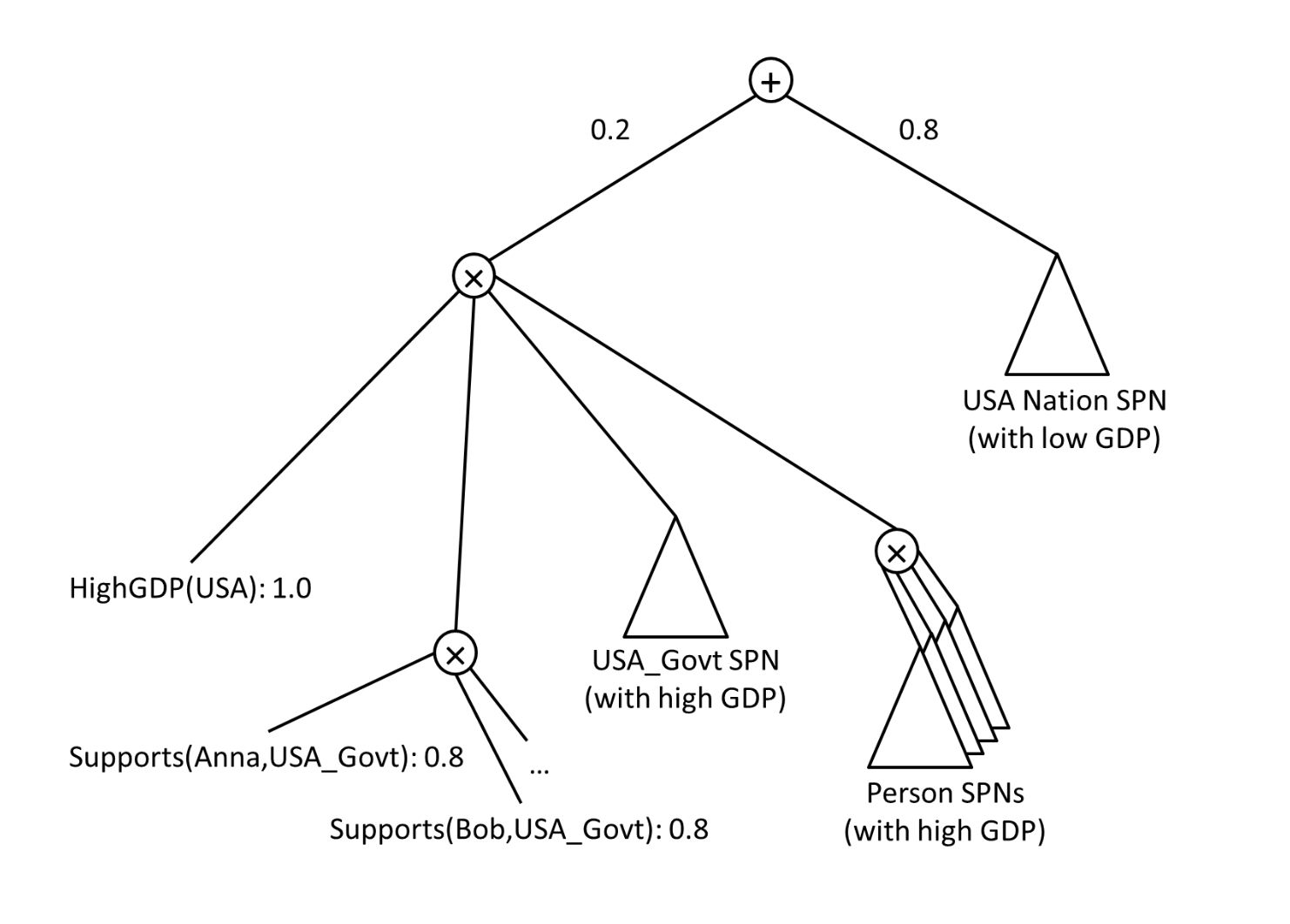 RSPNBench: An Unofficial Implementation of Relational Sum Product NetworksPaper ImplementationRSPNBench is a deep dive into making database query optimization smarter using tractable probabilistic models. Instead of relying on basic, often-inaccurate histograms, I implemented RSPNs from scratch in C++ and Java. It uses Randomized Dependence Coefficients (RDC) to sniff out non-linear correlations between columns and then recursively breaks the data down using K-Means++ clustering. Under the hood, it’s a hierarchical tree of Sum and Product nodes that can handle complex range queries and cardinality estimation in O(height of tree) time. Got to play around with the Eigen library (C++) for the numerical algorithms